Documents
Guides, articles and original literature
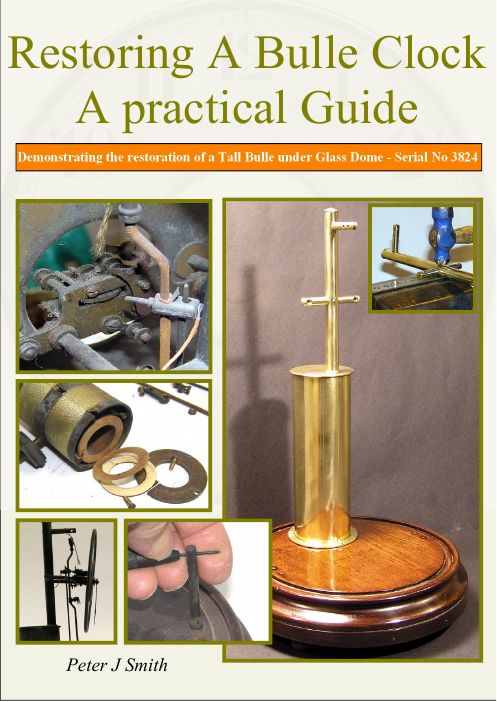
Restoring a Bulle Clock
A guide in five sections
Articles & techniques
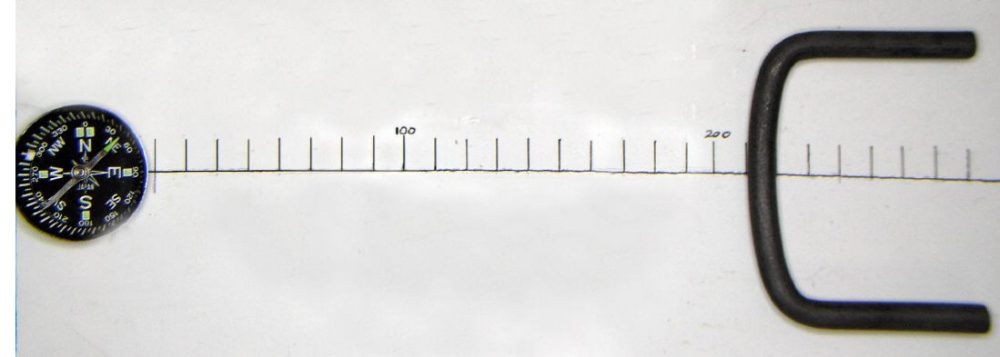
Measuring the strength of Bulle magnets with a compass and a scale, with readings from the restorations.
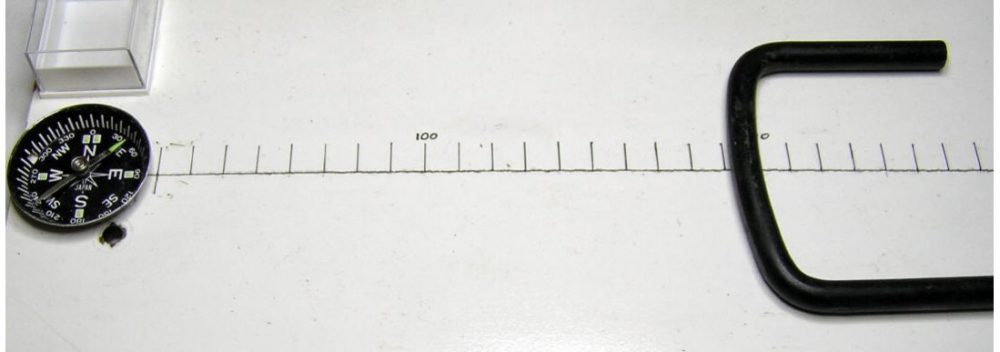
How a three-pole magnet is restored, and why some home-made methods are dangerous.
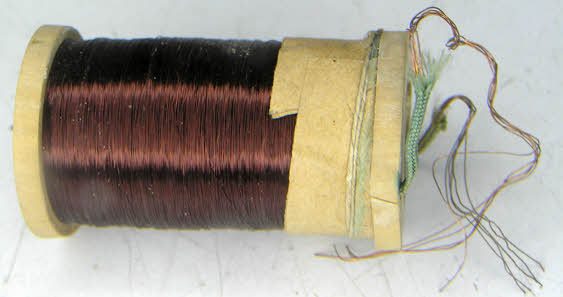
Testing, repairing and rewinding the pendulum coil: resistances, the 6,500-turn winding and the early resistors.
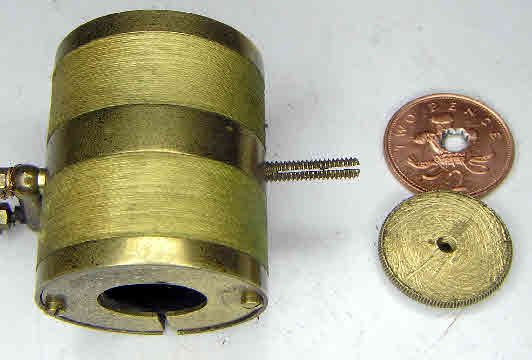
Why drilled, cut and “lightened” rating nuts and hidden weights are always the wrong fix.
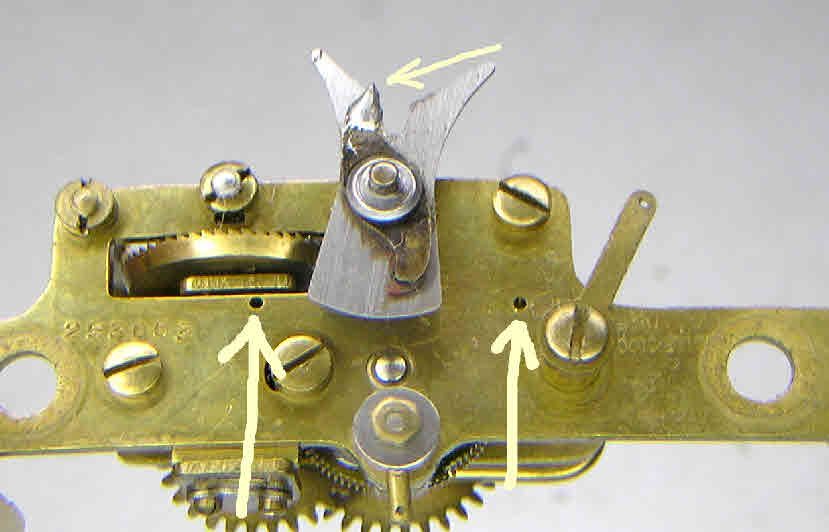
Soldered contacts, Brasso damage, nails for rivets and other repairs to undo.
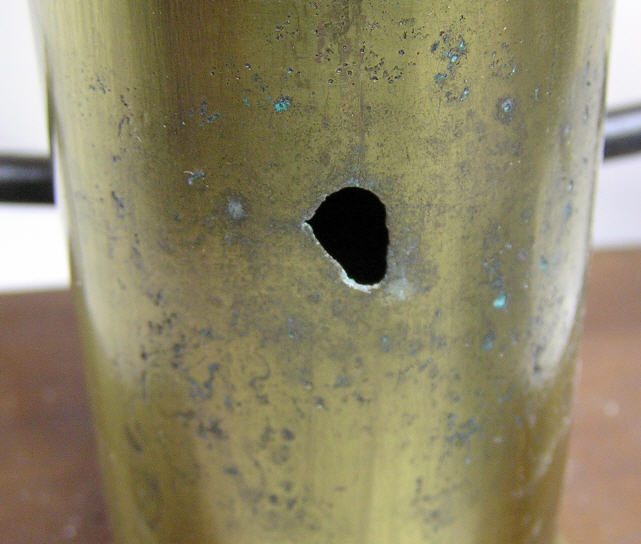
Why Bulle columns corrode, and the cleaning sequence used to stop it.
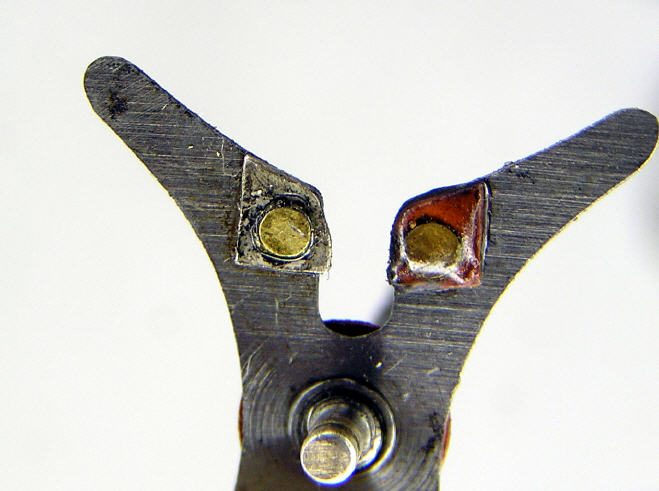
The parts that wear or break on almost every Bulle, and how they are set up.
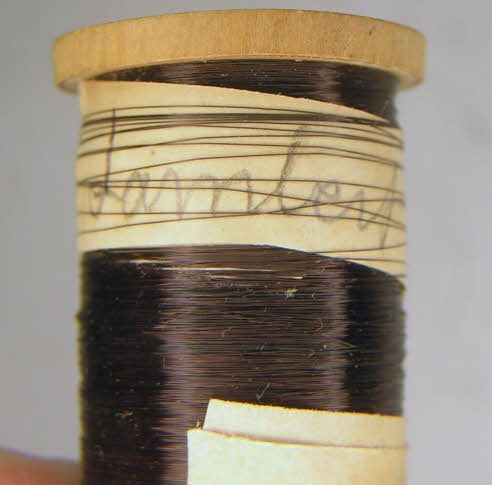
Serial numbers, movement types and the clues that pin down when a clock was made.
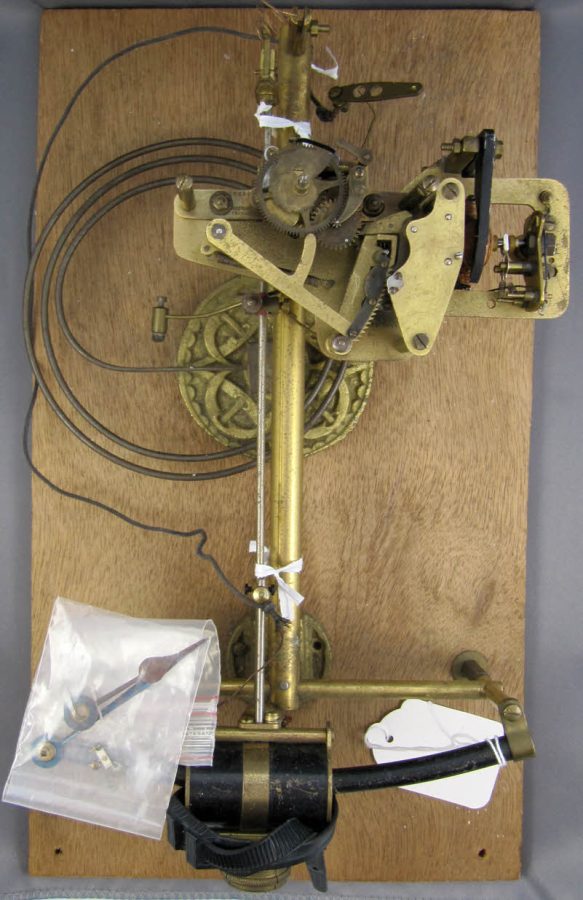
A rare variant with its own motor-driven striking module.
Information on the Isochron spring. I have had a number of springs tested and this document discusses the results, and includes correspondence between myself and the laboratory.
Information on the early development of Bulle movements.
A short sequence of photos showing how I assemble new suspension units.
How a replacement Eureka bezel is made.
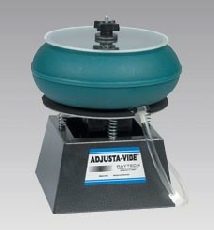
Using a vibratory tumbler for polishing Bulle and Eureka parts, with a short video.
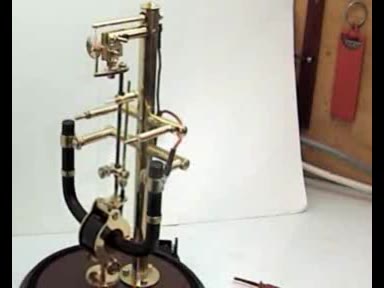
A short video showing how to test a Bulle magnet and pendulum without the movement.
Original Bulle sales literature
1923 – 1948
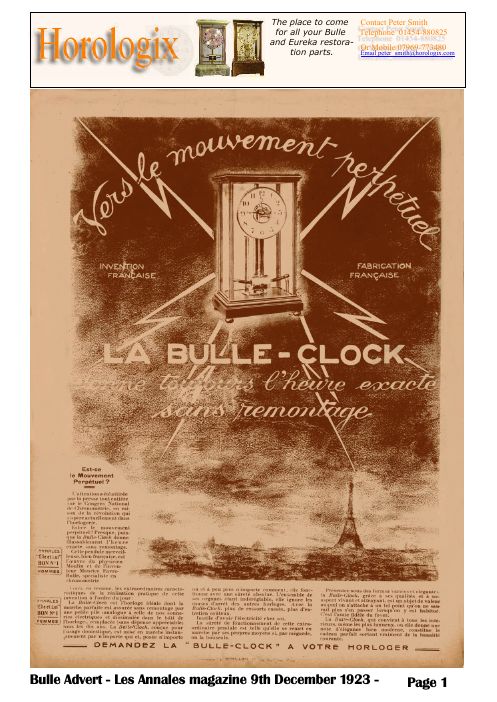
Les Annales magazine, December 1923.
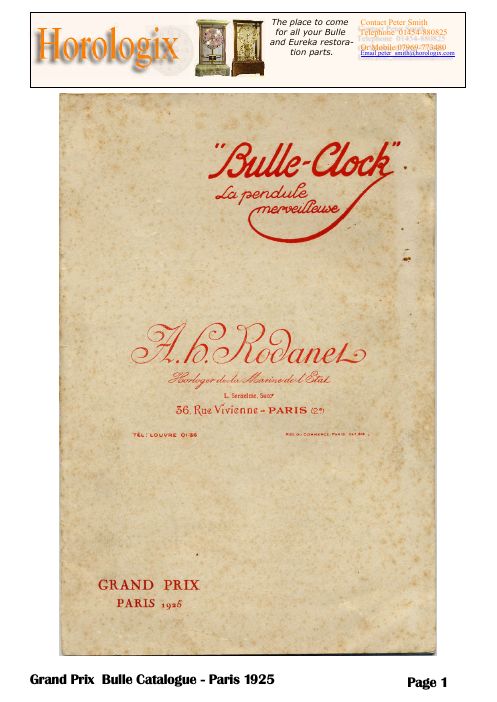
Catalogue from “Rodanet – Paris”. Includes many of the early Bulle models.
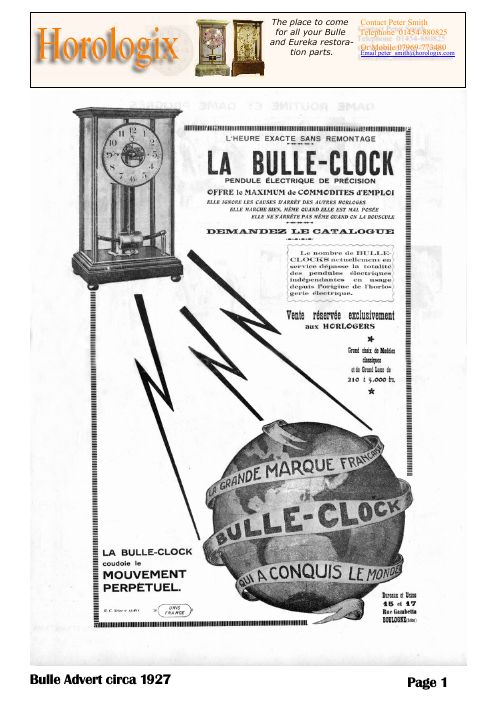
A two-page advertisement.
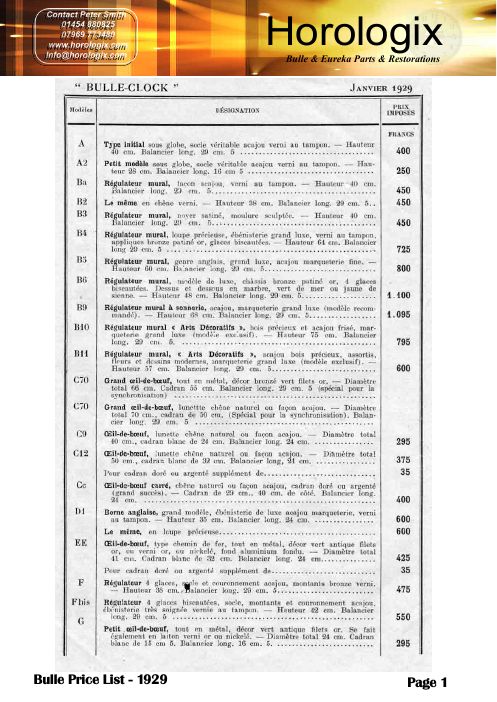
A Bulle price list in French dated 1929. It complements the 1925 catalogue with all the model numbers and prices shown (in French Francs of course).
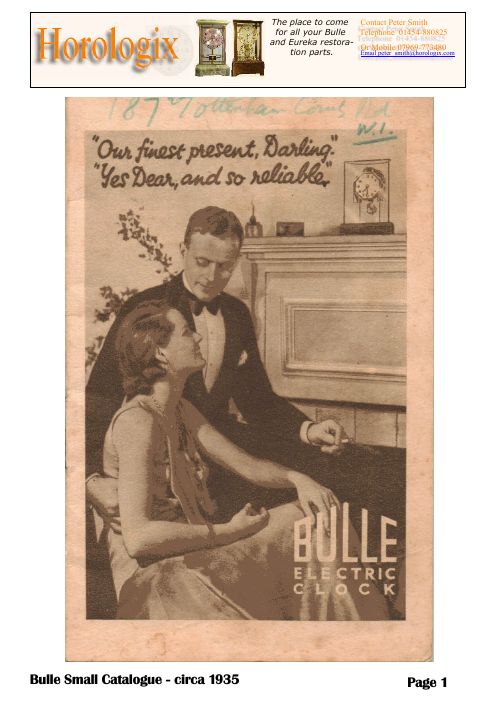
A mini sales booklet including many models of Bulle battery clock.
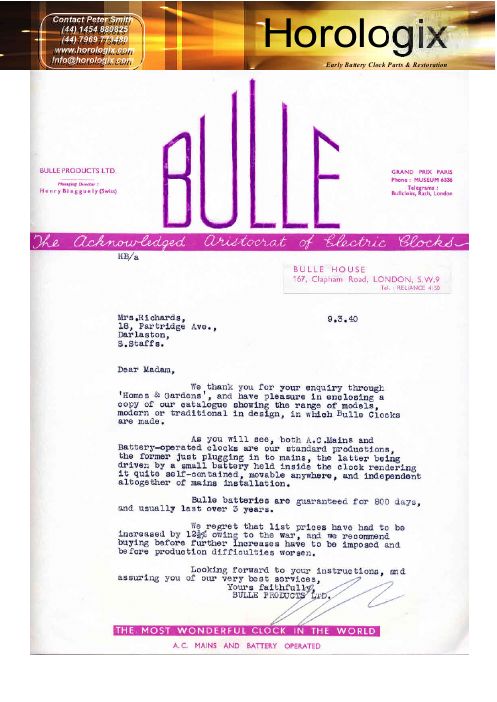
Catalogue from “Bulle Products Ltd”. Includes many models of Bulle clock, both mains and battery.
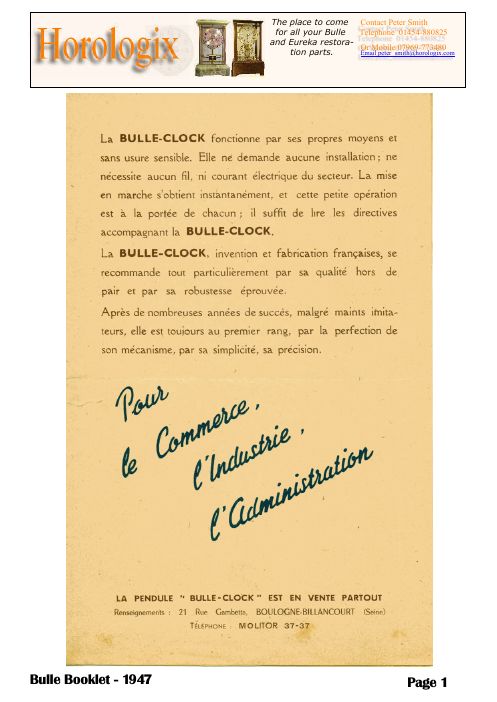
A Bulle advertisement.
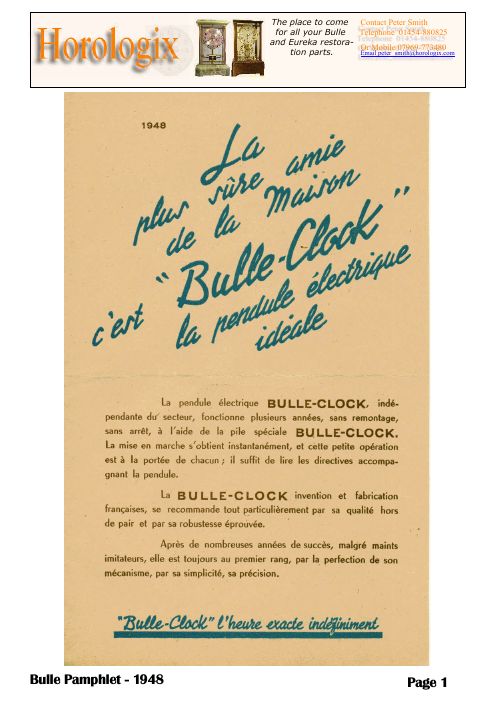
A Bulle advertising booklet.